

What are the emissions standards compliance of the Range Rover Engine 3.0?
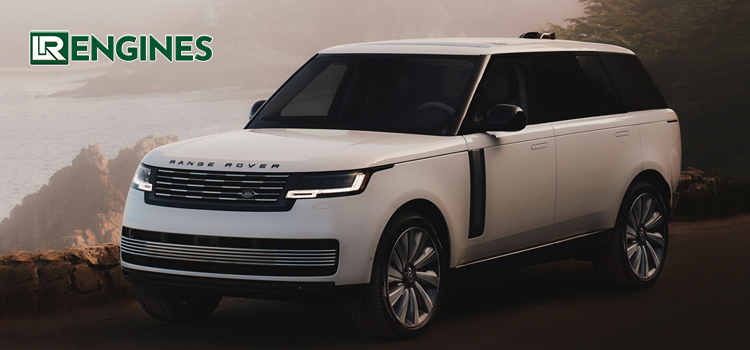
Emissions standards shape the design, performance, and ownership experience of every modern SUV—and the Range Rover Engine 3.0 is no exception. Around the world, regulators set limits on pollutants like nitrogen oxides (NOx), particulate matter (PM), carbon monoxide (CO), and evaporative emissions, while also pushing manufacturers to reduce CO₂ through efficiency technologies. For buyers, this translates into quieter drivetrains, better fuel economy, and access to low-emission zones that increasingly restrict older or non-compliant vehicles. The latest Range Rover Engines 3.0 powertrains—whether gasoline mild-hybrids, diesel variants in some markets, or plug-in hybrid pairings—are engineered to meet stringent standards through advanced aftertreatment systems and intelligent engine management. Even when considering Reconditioned Engines, emissions compliance remains central, since retrofits and overhauls must preserve or restore factory-level control of pollutants. This article explains how the Range Rover Engine 3.0 achieves compliance across key regions, what technologies sit behind that performance, and how owners can keep their vehicles clean and legal over time. We’ll also explore the role of testing cycles like WLTP and RDE, the impact of hybridization, and best practices if you’re fitting a reconditioned unit. The goal is simple: help you understand what “compliant” really means, and how to keep it that way.
The Global Rulebook: Euro, EPA, and Other Frameworks the Range Rover Engine 3.0 Must Meet
Emissions rules differ by region, but the goals align: cut harmful pollutants and CO₂. In Europe, the Range Rover Engine 3.0 is engineered for Euro 6 frameworks, which include real-world checks (RDE) alongside lab-based WLTP cycles. These regulations limit NOx, PM, and particle number (PN), pushing gasoline engines to use Gasoline Particulate Filters (GPFs) and diesels to rely on Diesel Particulate Filters (DPFs) plus Selective Catalytic Reduction (SCR). In North America, compliance follows EPA Tier 3 and California LEV III requirements, where fleet-average standards drive down emissions across a manufacturer’s lineup. Other markets mirror or adapt these baselines: China 6 regulations are broadly comparable to Euro limits; the Middle East and Latin America often adopt transitional phases; and India’s Bharat Stage VI (BS6) framework significantly tightened PM and NOx. For owners, this means the Range Rover Engine is calibrated differently by market, but always designed to meet local legal thresholds. Importantly, emissions compliance is tied to the complete system—engine hardware, aftertreatment, software calibration, and onboard diagnostics—so swapping components or tuning without proper approvals can jeopardize legal status and inspection results.
Inside the Hardware: Filters, Catalysts, and the Chemistry of Clean Exhaust
Under the skin, the Range Rover Engine 3.0 relies on a suite of aftertreatment devices that neutralize pollutants after combustion. Gasoline versions commonly use a three-way catalyst to handle CO, HC (unburnt hydrocarbons), and NOx, paired with a GPF to capture ultra-fine particles generated under high load and direct injection. Diesel variants (where offered) stack technologies: an oxidation catalyst to treat CO and HC, a DPF to trap soot, and an SCR system that injects a urea-based fluid (often called AdBlue or DEF) upstream of a catalyst that converts NOx into nitrogen and water. Temperature management is critical—these catalysts work best when hot—so the engine’s control unit orchestrates combustion timing, exhaust flow, and sometimes supplemental heating strategies to keep systems in their optimal window. Precision lambda sensors, NOx sensors, differential pressure sensors (across DPF/GPF), and temperature probes feed data to ensure effective conversion while preventing damage. Crucially, the Range Rover Engine integrates these components as a single emissions package; removing, bypassing, or “gutting” any element is both illegal in most markets and likely to trigger fault codes, limp modes, and inspection failures.
Combustion and Control: How the 3.0L Calibration Reduces Emissions at the Source
Clean tailpipes start with clean combustion. The Range Rover Engine 3.0 uses high-pressure direct injection and precise spark or injection timing to optimize the air-fuel mix, minimize wall wetting, and reduce raw particulate formation. Variable-valve timing enhances internal EGR (exhaust gas recirculation) effects at certain loads, cutting peak combustion temperatures that would otherwise generate NOx. In boosted variants, an electric supercharger (or e-booster) and advanced turbocharging manage air supply to reduce lag and maintain lean, stable combustion, further lowering emissions spikes during transients. The engine control unit (ECU) constantly adapts to fuel quality, altitude, and ambient temperatures, tightening the feedback loop between sensors and actuators to stay within emissions targets. Start-stop technology prevents idling emissions, while split-cooling strategies bring the engine and catalysts up to operating temperature quickly after a cold start, a critical period for compliance. Together, these measures mean less work for the aftertreatment system and more consistent results during both certification cycles and real-world driving. Owners see the benefits in smoother response, better fuel economy, and fewer regeneration events for particulate filters.
Hybridization Helps: 48V MHEV and PHEV Strategies That Cut CO₂ and Pollutants
Many Range Rover Engine 3.0 configurations pair the 3.0-liter inline-six with electrification. The 48-volt Mild Hybrid Electric Vehicle (MHEV) system uses a belt-integrated starter-generator to harvest energy during braking and assist during acceleration, smoothing torque delivery while reducing fuel burned at high-load, high-emission moments. This support lets the engine operate more frequently in efficient zones and enables extended stop-start and coasting functions. In plug-in hybrid (PHEV) pairings, the engine is matched with a higher-capacity battery and an electric drive unit, allowing for all-electric, zero-tailpipe-emission operation over short to medium distances—ideal for urban low-emission zones. Hybrids also help with catalyst light-off management: electric torque can reduce the need for rich mixtures during cold starts, aiding faster warm-up and lower early-cycle emissions. For buyers comparing Reconditioned Engines, note that hybrid architecture extends beyond the engine block to inverters, DC/DC converters, and high-voltage battery management; ensuring the entire system functions as intended is essential for maintained compliance. Ultimately, hybrid assistance complements aftertreatment hardware, delivering measurable reductions in both local pollutants and CO₂ without sacrificing the refined character Range Rover drivers expect.
Testing and Verification: WLTP, RDE, OBD Monitors, and Inspection Readiness
Compliance isn’t just claimed—it’s verified through standardized tests and on-board checks. In Europe, WLTP provides a dynamic, longer, and more representative lab cycle than older NEDC procedures, capturing realistic accelerations and speeds. Real Driving Emissions (RDE) testing adds portable measurement systems on public roads, ensuring the Range Rover Engine 3.0 performs cleanly outside the lab. In the U.S., EPA and CARB protocols include cold-start phases, evaporative emissions testing, and durability demonstrations over extended mileage. On a day-to-day basis, onboard diagnostics (OBD) continuously monitor catalysts, oxygen sensors, particulate filters, and NOx systems. Readiness monitors indicate whether each component has run its self-tests; if they haven’t, you may fail an inspection even without a check-engine light. After battery disconnects, repairs, or DPF/GPF regenerations, it can take several drive cycles to reset readiness properly. Owners should also know that firmware updates can refine calibrations to protect hardware and preserve emissions performance over time. When purchasing Reconditioned Engines for a Range Rover, insist on documented compatibility with your vehicle’s ECU software, sensor suite, and emissions hardware—mis-matched parts risk incomplete monitors, fault codes, and non-compliance at inspection stations.
Diesel vs. Gasoline 3.0L: Different Pollutants, Different Strategies
The emissions profile of a diesel Range Rover Engine 3.0 differs from a gasoline one. Diesels excel in CO₂ efficiency but produce higher NOx and soot, demanding robust aftertreatment: oxidation catalysts, DPFs, and SCR with AdBlue/DEF dosing. Proper DEF quality, correct tank filling, and functional NOx sensors are vital; if DEF crystallizes or the dosing module fails, NOx emissions spike and the vehicle may limit performance. Gasoline 3.0L variants, particularly direct-injection units, manage particulates with a GPF while a three-way catalyst handles NOx, CO, and HC. Under heavy loads or cold starts, transient particle spikes can occur; that’s where accurate injection timing, mixture control, and exhaust temperature management matter. Both fuel types rely on tight ECU control and leak-free intake/exhaust systems—small leaks upstream of sensors can mislead calculations and degrade emissions performance. For Reconditioned Engines, diesel units must be matched with the correct SCR/DPF hardware generation and dosing strategies; gasoline units must pair with appropriate GPF substrate volumes and catalyst formulations. The bottom line: each fuel path uses a tailored toolbox, and compliance depends on keeping that toolbox complete and properly calibrated.
Owner Responsibilities: Maintenance That Protects Emissions Compliance
Even the cleanest Range Rover Engine can fall out of compliance if overlooked. Use the specified oil grade and low-ash formulations where required to protect DPF/GPF substrates from premature loading. Replace air filters on schedule to keep fuel trims stable and avoid rich-running conditions that overheat catalysts. Ensure the cooling system and thermostats are healthy so the engine and aftertreatment reach operating temperatures quickly, minimizing cold-start emissions. For diesel models, maintain the DEF/AdBlue system: use fresh, correct-spec fluid, keep the tank adequately filled, and address dosing or heater faults promptly. If most of your driving is short trips, schedule periodic longer drives to complete DPF/GPF regeneration and OBD monitors. Keep software up to date; manufacturer calibration updates often improve emissions robustness and component longevity. After any repair, confirm readiness monitors and clear, verified fault-free operation before heading to inspection. For vehicles with Reconditioned Engines, request documentation of compression tests, injector spray patterns, sensor integrity, and catalyst/DPF/GPF compatibility. Treat emissions systems with the same respect as brakes or airbags—they’re core safety and legal-compliance components, not optional extras.
Reconditioned Engines and Legal Compliance: What Buyers Need to Check
Choosing Reconditioned Engines for a Range Rover Engine 3.0 can be cost-effective and sustainable, but compliance due diligence is essential. First, confirm the engine’s exact code and emissions family match your VIN, model year, and market; small differences in sensors, cam phasers, or injector types can cause big compliance headaches. Second, verify that critical emissions hardware—catalysts, GPF/DPF, EGR valves, SCR injectors—either comes with the engine or will be reused in a condition that meets factory spec. Third, insist on proof of calibration alignment: your ECU software version must support the fitted hardware, including hybrid components for MHEV/PHEV configurations. Fourth, obtain a warranty that specifically covers emissions performance, not just basic mechanical issues, and ask for documentation that readiness monitors pass after installation. Finally, avoid any “deletes,” “off-road only” tunes, or hardware bypasses; they’re illegal in most jurisdictions and can lead to fines, MOT/inspection failures, and reduced resale value. A reputable supplier will treat the engine as part of a complete emissions ecosystem, ensuring your Range Rover Engine 3.0 remains as clean and compliant as when it left the factory.
Practical Outcomes: Low-Emission Zones, Resale Value, and Total Cost of Ownership
Emissions compliance influences more than just test results—it shapes real ownership outcomes. Cities worldwide are expanding low-emission zones (LEZs) and congestion charges that favor vehicles with verified clean performance. Keeping your Range Rover Engine 3.0 compliant preserves access to these areas and avoids penalties. Insurance and finance partners increasingly consider environmental risk and regulatory changes; a vehicle with intact emissions systems and clean OBD history tends to hold value better. On the cost side, properly functioning catalysts, GPF/DPF systems, and hybrid components improve fuel efficiency and reduce wear, lowering total cost of ownership over time. If you ever sell the vehicle, buyers and dealers often run diagnostic scans—passing readiness monitors and showing consistent calibration versions boosts buyer confidence. For owners running Reconditioned Engines, presenting invoices that prove emissions-critical components were installed, tested, and warranted can be a decisive advantage. In short, emissions compliance is a strategic asset: it protects your mobility today and cushions against regulatory tightening tomorrow, all while supporting cleaner air in the communities where you drive.
