

What Role Does Mild-Hybrid Technology Play in the Latest Range Rover Engines?
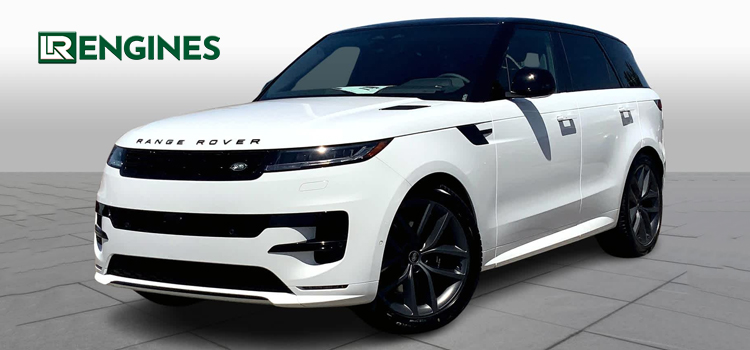
The evolution of the Range Rover engines has taken a significant leap with the integration of mild-hybrid technology in its latest lineup. As global environmental concerns increase and emission standards tighten, automakers are turning toward electrification. Mild-hybrid systems have emerged as a practical and efficient solution, offering a balance between traditional internal combustion and full electrification. Unlike full hybrids or plug-in variants, mild-hybrids use a small electric motor to assist the engine without ever powering the vehicle independently.
For Land Rover, mild-hybrid technology provides the luxury, power, and off-road capability expected of a Range Rover while enhancing efficiency and performance. This article explores how this advanced technology is implemented in the latest models, its key benefits, and how it compares to previous engines. Additionally, we discuss how reconditioned engines play a role in making these innovations more accessible to existing Range Rover owners. If you’re curious about how mild-hybrids redefine the Range Rover experience, this deep dive is for you.
Understanding Mild-Hybrid Technology in the Range Rover Context
Mild-hybrid systems (MHEVs) in the Range Rover are centered around a 48-volt electrical architecture. Unlike full hybrids or plug-in electric vehicles, a mild-hybrid cannot drive the vehicle on electric power alone. Instead, it uses a belt-integrated starter generator (BiSG) to assist the internal combustion engine during acceleration, capture energy during braking, and enable smoother start-stop operation. This results in improved fuel economy and lower emissions without dramatically altering the traditional driving experience.
In the 2025 Range Rover engine lineup, the P400 (petrol) and D300/D350 (diesel) variants prominently feature MHEV systems. These engines use the BiSG to deliver immediate torque during low-speed acceleration, reducing turbo lag and smoothing power delivery. The battery used in these systems is compact, self-charging, and doesn’t require plug-in charging.
This light electrification strategy allows Land Rover to maintain the vehicle’s full-size SUV performance and luxury feel while contributing to global CO₂ reduction goals. Mild-hybrid systems also make engine components last longer by reducing mechanical strain, which becomes particularly valuable when considering the reconditioning of these engines for extended vehicle life.
Enhanced Performance and Responsiveness with Electric Boost
One of the most noticeable benefits of mild-hybrid technology is the enhanced throttle response. Traditionally, large SUVs like the Range Rover suffered from turbo lag—a slight delay between pressing the accelerator and the engine delivering power. The integration of an electric motor in the BiSG helps mitigate this issue by providing instant torque assistance, especially at low RPMs. This makes acceleration smoother and more responsive across both petrol and diesel models.
In the P400, for example, mild-hybrid assistance helps the inline-six engine produce a robust 395 hp and 406 lb-ft of torque, delivering a dynamic feel even in a heavy vehicle. For diesel variants like the D350, torque figures reach up to 516 lb-ft, further enhancing towing and off-road performance. These boosts occur seamlessly, without the driver needing to adjust their driving style.
Moreover, the regenerative braking system recovers kinetic energy during deceleration, reducing the load on the traditional braking system and increasing overall efficiency. This immediate and silent electrical torque significantly upgrades the driving experience—giving Range Rover a modern edge over its predecessors, and offering new potential for reconditioned engines to be both powerful and efficient.
Fuel Efficiency Gains: Bigger SUVs, Smaller Footprint
Fuel economy has historically been a weak spot for large luxury SUVs like the Range Rover. However, the introduction of mild-hybrid systems has substantially improved fuel efficiency without compromising on performance. While traditional V6 and V8 engines were known for their thirst, the latest MHEV-equipped powertrains offer a more balanced approach.
Take the P400 MHEV engine, for instance—it provides a significant boost in miles per gallon (mpg) compared to the older, naturally aspirated or supercharged V6 engines. Users can expect real-world efficiency gains of 10–15%, particularly in urban driving conditions where regenerative braking and stop-start functions are frequently engaged. Diesel MHEVs like the D350 are also capable of exceeding 30 mpg in certain driving scenarios, a remarkable figure for a full-size luxury SUV.
This improvement in efficiency translates into fewer fuel stops, lower running costs, and reduced carbon emissions—making Range Rover engines more sustainable than ever before. For older models, installing a reconditioned engine based on MHEV architecture can help owners enjoy improved efficiency and future-proof their vehicles against rising fuel prices and tightening emissions standards.
Improved Start-Stop Systems and Urban Driving Comfort
One often overlooked benefit of mild-hybrid technology is the significant upgrade it brings to start-stop systems. Traditional stop-start systems in earlier models were often jerky and inconsistent, leading many drivers to disable them. However, the new MHEV-based systems in the latest Range Rover engines operate with remarkable smoothness and speed.
Thanks to the 48V starter-generator, the engine shuts down seamlessly when the vehicle comes to a halt and restarts almost imperceptibly when the driver lifts their foot from the brake pedal. This not only conserves fuel but also enhances the in-cabin experience—eliminating the shudder and delay that plagued previous systems.
In congested city environments where stop-and-go traffic is common, this smooth engagement makes for a more refined and less tiring drive. Noise levels are reduced, idling is minimized, and vibrations are absorbed more effectively—adding to Range Rover’s trademark luxury feel. For owners of older Range Rovers, upgrading to a reconditioned engine with modern start-stop tech can revitalize the driving experience and bring it closer to contemporary standards.
Reduced Emissions for Cleaner Urban Mobility
Meeting stricter emissions regulations has become a top priority for automakers worldwide. Mild-hybrid systems help the Range Rover engine achieve Euro 6 and ULEV (Ultra Low Emission Vehicle) compliance, particularly in diesel variants where NOx and particulate emissions are a concern. These advancements are crucial for allowing Range Rovers to access low-emission zones in cities without incurring penalties.
By using regenerative braking, optimized combustion cycles, and electric boost for acceleration, mild-hybrid engines generate significantly fewer pollutants. In fact, MHEV-equipped models like the D350 and P400 produce 20–30% fewer emissions compared to their non-hybrid predecessors. This makes them more environmentally responsible without compromising performance.
Additionally, mild-hybrids help in reducing long-term wear and tear, as engine idling is minimized and mechanical stress is shared with the electric components. This lower stress contributes to cleaner engine operation and better air quality. For older Range Rover owners facing emissions-related restrictions, opting for reconditioned engines built with modern emission control systems can be a game-changer in retaining access and resale value.
Seamless Integration with Terrain Response Systems
Range Rovers are renowned for their off-road capability, and mild-hybrid technology enhances this reputation. The instantaneous torque delivered by the BiSG system assists in tricky terrain scenarios, such as hill starts, rock crawls, and mud traps. Because the electric motor delivers torque faster than a traditional turbocharger, it provides better control when you need it most.
MHEV integration with Terrain Response 2 ensures that the powertrain adapts intelligently to the surface underneath—whether it’s snow, sand, or gravel. Drivers experience smoother throttle modulation and better low-speed maneuverability, particularly in the diesel MHEV variants.
Furthermore, with fewer gear shifts and more linear power delivery, the Range Rover feels more confident and capable during off-road excursions. These benefits aren’t just about comfort; they also enhance safety and mechanical reliability. When considering long-term ownership, upgrading an older model with a reconditioned engine that includes mild-hybrid compatibility can restore off-road performance to match modern standards.
The Role of Reconditioned Engines in Mild-Hybrid Upgrades
As mild-hybrid systems become more widespread in the Range Rover lineup, the reconditioned engine market is evolving to include these advanced powertrains. Reconditioned MHEV engines are rebuilt using OEM specifications and tested components—offering a cost-effective alternative to buying a new vehicle while still benefiting from the latest tech.
Rebuilding a mild-hybrid Range Rover engine involves refurbishing the internal combustion components and replacing or upgrading the starter-generator, battery module, and electronic controls. This ensures that the system functions as efficiently as a new one, providing immediate torque, smooth idling, and fuel savings.
For owners of older petrol or diesel Range Rovers, upgrading to a reconditioned MHEV engine offers significant advantages. It extends vehicle lifespan, improves fuel economy, reduces emissions, and keeps the SUV compatible with modern environmental regulations. Choosing a certified supplier ensures quality assurance and longevity—turning a legacy vehicle into a more sustainable and efficient machine.
Cost-Effectiveness and Long-Term Ownership Benefits
While mild-hybrid systems add initial cost to a new Range Rover, they offer long-term financial and practical benefits. Improved fuel efficiency means lower running costs, and reduced engine stress contributes to fewer breakdowns and repairs. Additionally, modern MHEV engines retain value better due to their compliance with emerging emissions standards and appeal to eco-conscious buyers.
For those not ready to invest in a brand-new model, the availability of reconditioned engines with mild-hybrid capability presents a compelling alternative. Reconditioning is significantly more affordable—often saving 40–60% compared to complete engine replacements or vehicle upgrades.
Reconditioned MHEV engines also come with warranties and testing certifications, ensuring reliability and peace of mind. When viewed as a long-term investment, these engines help owners enjoy modern performance and environmental responsibility without bearing the full cost of a new SUV. The growing infrastructure around reconditioned Range Rover engines ensures that even older models can stay competitive, capable, and luxurious for years to come.
